
When the body recognizes anything that is foreign, such as a chemical or microbe, the immune system becomes activated. You may realize that your immune system helps fight off foreign invaders, but how? It does so by triggering inflammation, a heating up of the body overall. This is why we sometimes get a fever when we have the flu. In most cases, the inflammatory response set off by the immune system resolves once the invader has been handled. Sometimes, though, inflammation persists even in the absence of an obvious threat.
To live in a state of chronic inflammation means to live with a higher risk of some of the major diseases we see today. These include diabetes, depression, arthritis, heart disease, Alzheimer’s, and cancer. According to numerous experimental studies, the most powerful tools we have to manage the inflammatory cycles of our bodies can be grown in our gardens. Here, we discuss which foods can hurt you and which hold the potential to help you heal form chronic inflammation.
Inflammatory Foods
Trying to keep it as simple as possible, we can explain inflammatory foods as those that negatively alter the microbiome of the gut. The bacteria that live in the gut interact with the immune system, so what we eat has a direct potential of triggering inflammation.
As you may have guessed, some of the foods that are easiest to get, such as fast food and processed foods, are the most inflammatory. Examples include:
- Soda and other beverages sweetened with sugar and high-fructose corn syrup
- Refined carbohydrates such a white bread and pasta
- Trans fats, which show up as partially hydrogenated ingredients
- Red meat and processed meat
- French fries and other fried foods
Foods that Combat Inflammation
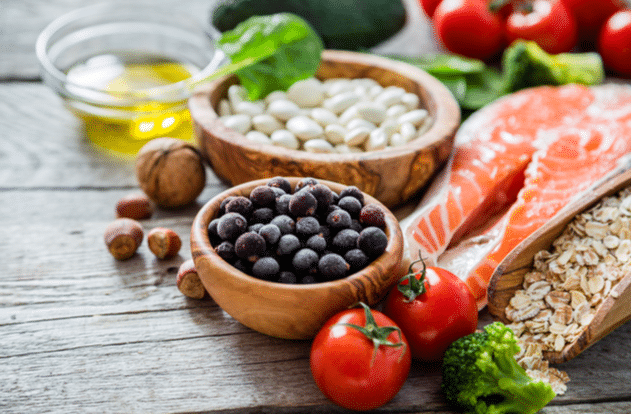
Not only do you want to consume foods that interact well with the bacteria that live in the gut, but you also want foods that are rich in antioxidants. Antioxidants reduce the number of free radicals that float through the body, causing inflammation wherever they go. Some items that Dr. Rabito may add to an anti-inflammatory diet may include:
- Vegetables such as cauliflower, broccoli, and kale
- Bell peppers and chili peppers
- Fresh fruit like grapes, cherries, and strawberries
- Healthy fats such as avocados and olive oil or avocado oil
- Fatty fish such as anchovies, sardines, and salmon
- Green tea
- Nuts
- Spices like cinnamon and turmeric
- Dark chocolate
It can be reassuring to learn that you hold the keys to health right in your home. It can also be overwhelming. You don’t have to go it alone. Contact our NYC office at (877) 703-3775 to consult with functional nutritionist Dr. Philip Rabito.
The post Why Should I Follow an Anti-Inflammation Diet? appeared first on Philip Rabito, MD.
Frequently Asked Questions
The immune system activates inflammation when it recognizes foreign substances such as chemicals or microbes. This response helps the body fight off these invaders by increasing body temperature and triggering other defense mechanisms.
Inflammation can persist chronically even when there is no clear foreign invader present. This ongoing inflammation can be due to factors like diet, lifestyle, or underlying health conditions, leading to a state called chronic inflammation.
Living with chronic inflammation increases the risk of several major diseases including diabetes, depression, arthritis, heart disease, Alzheimer’s disease, and cancer. Managing inflammation is important to reduce these health risks.
Inflammatory foods negatively alter the gut microbiome, which interacts closely with the immune system. This disruption can trigger or worsen inflammation throughout the body.
Common inflammatory foods include soda and sugary beverages, refined carbohydrates like white bread and pasta, trans fats found in partially hydrogenated oils, red and processed meats, and fried foods such as French fries.
Foods that combat inflammation are rich in antioxidants and support a healthy gut microbiome. These include vegetables like broccoli and kale, fruits such as grapes and cherries, healthy fats like avocado and olive oil, fatty fish, green tea, nuts, spices like turmeric, and dark chocolate.
Antioxidants reduce the number of free radicals in the body, which are unstable molecules that can cause inflammation and damage cells. By neutralizing free radicals, antioxidants help lower inflammation levels.
While diet plays a crucial role in managing chronic inflammation by including anti-inflammatory foods and avoiding inflammatory ones, it is often beneficial to consult healthcare professionals for a comprehensive approach tailored to individual needs.
You can consult with functional nutritionists like Dr. Philip Rabito, who specialize in anti-inflammatory diets and can provide personalized guidance to help manage inflammation effectively.
The gut microbiome consists of bacteria that interact with the immune system. A healthy microbiome supports balanced immune responses, while an unhealthy one can trigger or worsen inflammation.


