
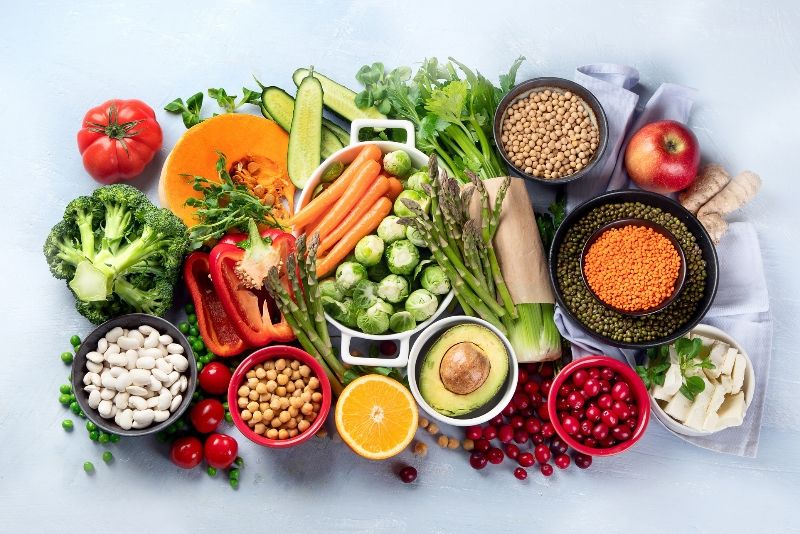
Diet plans that insist on a very narrow selection of foods or severely limit the type of foods they allow can cause more problems than they solve. These helpful tips for planning a more balanced diet will ensure that you get proper nutrition while also achieving or maintaining a healthy weight.
Stick To Non-Processed, Real Food
Highly processed foods, such as white bread, white rice, crackers, and packaged snack foods, have gone through the mill—literally in many cases. This practice strips them of essential nutrients. It’s one of the reasons white bread must be “fortified” with added vitamins: to put back what various processes took out of the white flour and other ingredients in the product. Plus, highly processed foods often contain unhealthy trans-fats, tons of sodium, and artificial flavors and colors.
Emphasize Vegetables and Fruits
There has been a lot of noise about high protein diets without enough balancing information about including a healthy amount of vegetables and fruits. Low glycemic vegetables, like green beans, asparagus, broccoli, and spinach, are full of vitamins and minerals essential to good health.
Whole fruits are better than fruit juices, which concentrate fruit sugars and remove healthy fiber. Berries are high in vitamin C and antioxidants. Eat them fresh, not dried, which concentrates sugars.
Stick With Whole Grains
Look for labels on baked goods and cereals that state “100% whole grain.” Some commercially prepared products use a mix of whole and refined grains, meaning you won’t get the full benefit of nutrients available in whole grains. These include B vitamins and minerals like iron, zinc, and magnesium.
Choose Lean Proteins
Include a variety of lean proteins in your meal plans, as well as fatty fish like salmon, which is high in healthy omega 3 type fat. Vary your diet with chicken, turkey, and other protein-rich selections like nuts (in moderation—they’re calorie-dense) and eggs, which are terrific to fill you up in the morning and reduce cravings. Eggs supply protein and many essential nutrients.
Eat Mindfully
Enjoy your meals by consuming them mindfully. Slow down and set aside the phone. Really pay attention to creating a pleasant presentation of your meal, and then savor it. You’ll notice when you feel full, and you’ll eat less if you eat more slowly.
Don’t Forget the Fiber
Fiber helps clear your digestive tract, and some, especially oatmeal, help lower cholesterol. Eating fiber-rich foods like apples, whole grains, green vegetables, and nuts helps you feel full. With enough fiber in your diet, you won’t feel unsatisfied and go rummaging around “night grazing” for snacks.
Drink Enough Water
Water is essential to healthy living. Drinking enough water can boost your metabolism, lubricate your joints, and help regulate your body temperature. It’s crucial for blood cells, which deliver oxygen and nutrients to the brain.
Maintaining a balanced, healthy diet will help you achieve and maintain a healthy weight. If you’re following these tips for a more balanced diet and failing in your weight-loss goals, you may need more exercise, or there could be a hormonal imbalance impeding your progress.
Consult your doctor before making any changes in your diet or exercise habits. Your physician may recommend you see an endocrinologist to assess hormonal levels and determine if they might be interfering with your health goals. Dr. Philip Rabito is an endocrinologist serving the Upper East Side of NYC who can help with hormone disorders and weight loss.
The post Helpful Tips for Planning a More Balanced Diet appeared first on Philip Rabito, MD.
Frequently Asked Questions
Highly processed foods often lose essential nutrients during manufacturing and may contain unhealthy trans-fats, excessive sodium, and artificial additives. Avoiding these foods helps ensure you get proper nutrition and reduces the risk of health problems associated with poor diet quality.
Incorporate low glycemic vegetables like green beans, asparagus, broccoli, and spinach, which are rich in vitamins and minerals. Choose whole fruits over fruit juices to benefit from fiber and avoid concentrated sugars. Berries are especially beneficial due to their high vitamin C and antioxidant content.
Look for labels that state "100% whole grain" on baked goods and cereals. Some products mix whole and refined grains, which reduces their nutritional value. Whole grains provide important B vitamins and minerals like iron, zinc, and magnesium.
Include a variety of lean proteins such as chicken, turkey, nuts (in moderation), eggs, and fatty fish like salmon. Salmon is rich in healthy omega-3 fats, while eggs provide protein and essential nutrients that help reduce cravings and keep you full.
Mindful eating involves slowing down, focusing on your meal without distractions, and savoring each bite. This practice helps you recognize when you are full, which can prevent overeating and promote better digestion and satisfaction with your meals.
Fiber aids digestion by clearing the digestive tract and can help lower cholesterol, especially soluble fiber found in foods like oatmeal. Eating fiber-rich foods such as apples, whole grains, green vegetables, and nuts also promotes satiety, reducing the likelihood of unhealthy snacking.
Drinking enough water is essential for metabolism, joint lubrication, temperature regulation, and oxygen and nutrient delivery to the brain via blood cells. Staying hydrated supports overall health and can aid in weight management.
If you’re not achieving weight loss despite a balanced diet, consider increasing physical activity or consulting a doctor to check for hormonal imbalances. An endocrinologist can assess hormone levels that might be affecting your weight and overall health.
A physician can evaluate your overall health, identify any underlying conditions such as hormonal imbalances, and provide personalized recommendations. This ensures that changes to your diet or exercise are safe and effective for your specific needs.
Eggs are a rich source of protein and essential nutrients that help keep you full and reduce cravings, especially when eaten in the morning. They provide a nutritious start to the day and support sustained energy levels.


