
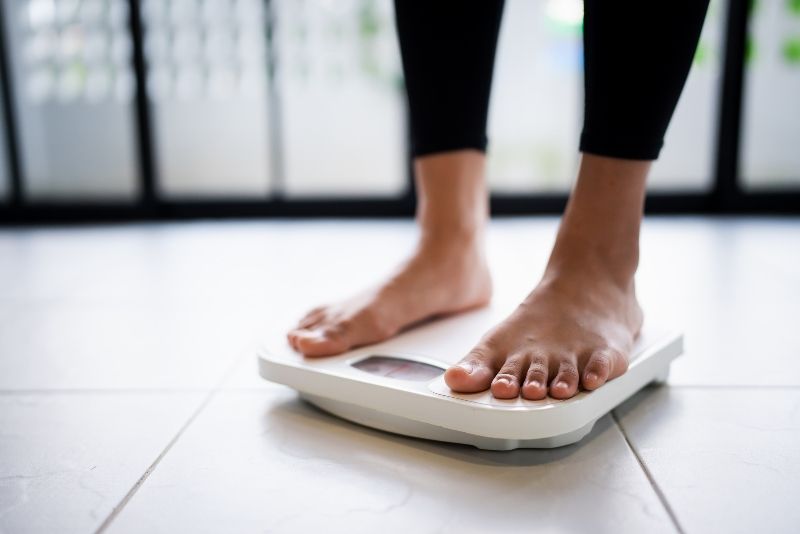
You’ve signed up for the diet programs. They’ve cost you hundreds of dollars and you’re still not losing weight.
Did you know that the body produces over 50 different types of hormones? Understanding and treating hormonal problems is what endocrinologists do. The problem with diet programs is that many of them don’t always take into account any endocrine system conditions you might have.
If you’ve done the programs and the exercise and the extreme dieting, maybe it’s time to visit an endocrinologist to see if there isn’t something else going on to affect your weight loss goals.
Why Hormones are Important to Weight Loss
According to Hormone.org, hormones are special chemical messengers in the body that are created in the endocrine glands. These messengers control most major bodily functions, like hunger to emotions and mood. Basically, your hormones are in charge of what you want to eat and even how happy and sad you are. For anyone trying to lose weight, it makes perfect sense how having any kind of hormonal imbalance would affect your ability to lose weight.
Our emotions and mood are so deeply tied to food. If we’re sad, we eat and we don’t eat broccoli and kale. No, we eat the food that makes us feel better: cakes and chips and carbs. Even when we are in a good mood like if we want to celebrate something, the way we celebrate is by going out to eat or going for drinks. Food and hormones are so inextricably tied to together that it is nearly impossible to lose weight without paying attention to your endocrine system.
Disorders of the Endocrine System that Affect Weight Loss
- Hyperthyroidism
The UCSF Health defines Hyperparathyroidism (HPT) as a “hormonal disorder that occurs when one or more of your four parathyroid glands become enlarged and overactive, causing them to produce excessive amounts of parathyroid hormone (PTH). Furthermore, your PTH hormones are responsibile for regulating that amount of calcium you receive from food in your blood and bones.What does this mean for your weight loss goals? Well, symptoms of Hyperthyroidism include fatigue and lethargy, as well as joint pain and muscle weakness. It is a serious condition that can lead to kidney problems, but it also affects your day-to-day ability to function. Weight loss is hard enough as it is without adding a condition that not only targets your body and its muscles but can affect your desire to get up and move. The key to any weight loss program is daily movement. - Diabetes
According to UCSF Health, is “a disease in which the body doesn’t produce or properly use insulin, a hormone produced in the pancreas that converts sugar into energy.” Diabetes is a disease that can again make you feel very tired most of the day. Of course, this would affect your weight loss goals.If you don’t know you have the disease, your body will seek ways to balance itself out through food. Since it’s sugar your body is not regulating correctly, your diet when it comes to sugars is even more important when trying to lose weight. - Obesity
While diet and exercise are important to weight loss, sometimes you can do everything right and it still not make a difference. This can often be because of your endocrine system.For example, UCSF Health, says that the body may have a “set point and if you try to drastically cut your calorie intake, your brain may respond by lowering metabolism and slowing activity.” This condition causes you to gain back any weight you may have been able to lose or to stay steady at a certain weight.
It is not always about cutting calories and getting to the gym. Your body is complex and unique, therefore you need a personalized weight loss program. You can get personalized weight loss help from professionals such as an endocrinologist on Manhattan’s Upper East Side.
The post Your Endocrine System and Weight Loss: What’s the Deal? appeared first on Philip Rabito, MD.
Frequently Asked Questions
Diet programs often fail because they do not consider underlying hormonal or endocrine system issues that can affect weight loss. Hormonal imbalances can influence hunger, metabolism, and energy levels, making it difficult to lose weight despite dieting and exercise.
Hormones act as chemical messengers that regulate bodily functions including hunger, mood, and metabolism. Imbalances in hormones can lead to increased appetite for unhealthy foods and affect energy levels, both of which can hinder weight loss efforts.
If you have tried diet programs, exercise, and extreme dieting without success, it may be time to consult an endocrinologist. They can evaluate for hormonal or endocrine disorders that might be preventing weight loss.
Hyperparathyroidism is a hormonal disorder where the parathyroid glands produce excessive parathyroid hormone, affecting calcium regulation. Symptoms like fatigue, muscle weakness, and joint pain can reduce physical activity, making weight loss more difficult.
Diabetes affects the body's ability to produce or use insulin properly, disrupting sugar metabolism. This can cause fatigue and cravings for sugary foods, which complicates weight loss and requires careful dietary management.
The set point theory suggests the body has a weight range it tries to maintain. Drastic calorie cuts can cause the brain to lower metabolism and reduce activity, leading to weight regain or plateau despite dieting and exercise.
Because each person's body and endocrine system are unique, a personalized weight loss program tailored by professionals like endocrinologists can address specific hormonal imbalances and metabolic needs, improving the chances of success.
Emotions and mood influence eating behaviors; for example, sadness may lead to cravings for comfort foods high in carbs and sugars, while celebrations often involve eating out or drinking. Hormones regulate these emotional responses, affecting diet choices and weight loss.
Symptoms include fatigue, lethargy, joint pain, and muscle weakness, all of which can reduce motivation and ability to engage in physical activity necessary for weight loss.
The endocrine system produces hormones that control hunger signals and cravings. Imbalances can lead to increased desire for unhealthy foods, making it harder to maintain a healthy diet and lose weight.


