
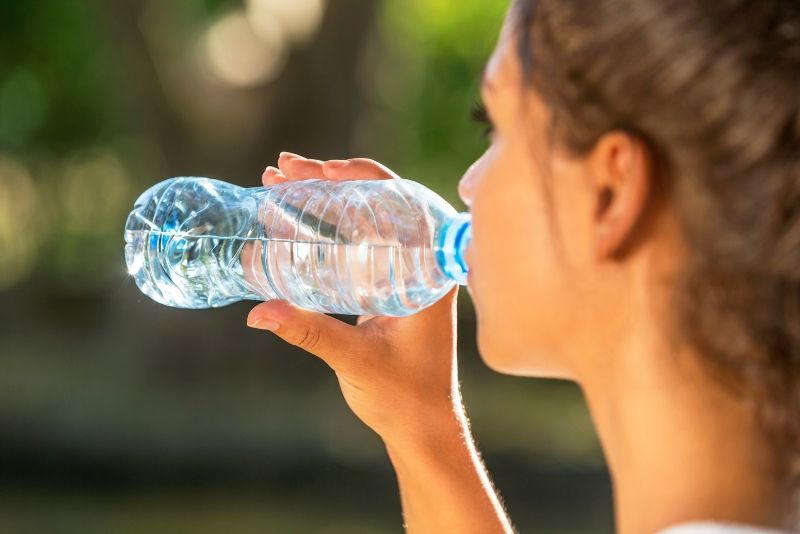
Water is vital for every body to function. It’s also important for weight loss and maintaining healthy digestion. Learn more below about the importance of water in your diet.
How Much Water To Drink
Individual needs for water vary depending on exercise, climate, and overall health. Some people get along fine on the standard eight glasses of water per day, while others need more and some are fine with less. You can tell that you’re getting enough water if you don’t often feel thirsty and if your urine is clear or light yellow. Check with your doctor about how much water you should consume per day based on your individual circumstances.
Water Is the Body’s Lubricant
Your joints need water to help cartilage and connective tissues act as cushions and lubricants for your joints. Not drinking enough water impairs the joints’ shock-absorbing features, which can lead to pain. Drinking enough water to keep your joints lubricated can ease some of the pain of arthritis.
Water Regulates Body Temperature
When sweat evaporates, it carries heat away from your body. But you’ll heat up again if you don’t replace the water you lost through sweating. When you’re dehydrated, your body can’t get rid of excess heat well, which could lead to heat-related illness such as heat exhaustion or heat stroke—especially in hot weather.
Water Provides Energy and Supports Brain Function
Water is also important to your diet because it’s necessary for the blood to deliver nutrients and oxygen to cells all over the body. Dehydration can make you feel anxious and tired and impair brain function and memory. Drinking enough water can lift your mood, help you think more clearly, and provide more energy.
Water Helps You Lose Weight
Drinking about two cups of water half an hour before a meal can make you feel fuller, and as a result, you eat less. If you’re not drinking enough water, your body may retain water, impairing weight loss. Water helps the colon and kidneys rid the body of waste and prevents constipation. Water also boosts metabolism. All these effects can help you lose weight.
If you’re exercising, eating healthily, and drinking enough water but you’re not losing weight, a hormonal issue could be impeding your progress. Your doctor may recommend that you see an endocrinologist. Dr. Philip Rabito is an endocrinologist in NYC who specializes in weight loss and the diagnosis and treatment of hormonal disorders.
How Much Is Too Much?
Water intoxication, or hyponatremia, is a dangerous and life-threatening condition. It happens most often to athletes who drink too much water all at once, diluting sodium levels in their blood. Sodium is necessary for transmission of nerve impulses and for muscle contraction. Drinking too much water within a short time overwhelms the kidneys, which can’t keep up with getting rid of the excess fluid. Space out your water consumption throughout the day, and consult your physician for specific recommendations for your total fluid intake per day.
The post The Importance of Water in Your Diet appeared first on Philip Rabito, MD.
Frequently Asked Questions
The amount of water you need varies based on factors like exercise, climate, and health. While the standard recommendation is eight glasses per day, some people may need more or less. A good indicator is if you rarely feel thirsty and your urine is clear or light yellow. Consult your doctor for personalized advice.
Water helps lubricate joints by supporting cartilage and connective tissues, which act as cushions. Insufficient water intake can impair these shock-absorbing features, potentially causing joint pain. Staying well-hydrated can ease arthritis-related discomfort.
Water regulates body temperature through sweating. When sweat evaporates, it removes heat from the body. Without adequate hydration, your body struggles to cool down, increasing the risk of heat-related illnesses like heat exhaustion or heat stroke, especially in hot weather.
Yes, water is vital for delivering nutrients and oxygen to cells, including brain cells. Dehydration can cause fatigue, anxiety, and impair memory and cognitive function. Drinking enough water can enhance mood, clarity of thought, and energy levels.
Drinking about two cups of water before meals can promote fullness, reducing calorie intake. Water also helps prevent water retention, supports waste elimination through the colon and kidneys, prevents constipation, and boosts metabolism, all of which contribute to weight loss.
Drinking excessive water in a short time can cause water intoxication or hyponatremia, diluting sodium levels in the blood. This condition can disrupt nerve and muscle function and may be life-threatening. It's important to space out water intake and follow medical guidance.
You are likely well-hydrated if you rarely feel thirsty and your urine is clear or light yellow. These signs indicate your body has sufficient water to function properly.
If you are exercising, eating healthily, and drinking enough water but not losing weight, a hormonal imbalance might be the cause. Consulting an endocrinologist can help diagnose and treat any underlying hormonal issues affecting weight loss.
Water aids digestion by helping the colon and kidneys eliminate waste and preventing constipation. Proper hydration ensures smooth digestive processes and supports overall gut health.
Athletes should avoid drinking excessive amounts of water in a short period to prevent hyponatremia. It's important to space out water consumption and balance it with electrolyte intake to maintain safe sodium levels and proper hydration.


