
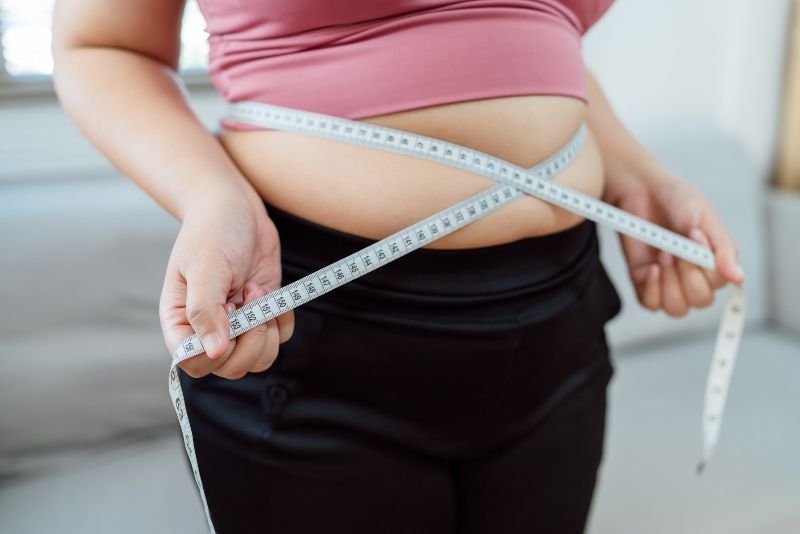
Weight gain can be one of the most frustrating symptoms of Polycystic Ovary Syndrome (PCOS). You may be eating well and staying active, and still notice the number on the scale climbing. That can leave you wondering if your efforts are enough or if something deeper is affecting your body. The truth is that PCOS can make weight management much harder, but understanding why can help you find a plan that works.
At Philip Rabito, MD, board-certified endocrinologist Dr. Philip Rabito, a Mount Sinai-trained specialist, provides expert PCOS care for individuals across NYC. Alongside Kiran Srivastava, PA-C, he helps women manage hormonal imbalances with evidence-based treatment and lasting lifestyle changes.
Why Does PCOS Cause Weight Gain?
PCOS affects the way your body regulates hormones, including insulin. Many people with PCOS develop insulin resistance, meaning the body produces more insulin to keep blood sugar under control. Higher insulin levels can encourage the body to store more fat, especially around the abdomen, and make it harder to lose weight.
Hormonal changes linked to PCOS can also increase appetite, cravings, and fatigue, making healthy habits more difficult to maintain.
Signs Your Weight Gain May Be Linked to PCOS
Weight gain is only one part of PCOS. Other common signs include:
- Irregular or missed menstrual periods
- Acne or oily skin
- Increased facial or body hair
- Thinning hair on the scalp
- Difficulty becoming pregnant
- Weight that is difficult to lose despite diet and exercise
Can You Lose Weight With PCOS?
Yes. While weight loss may take longer with PCOS, it is absolutely possible with the right medical guidance. Treatment often focuses on improving insulin sensitivity, supporting hormone balance, and creating sustainable lifestyle habits.
Depending on your needs, our endocrinologist may recommend:
- Nutrition counseling
- Regular physical activity
- Weight loss medications when appropriate
- Treatment for insulin resistance
- Ongoing monitoring of hormone levels
Even a modest weight loss can improve menstrual cycles, fertility, blood sugar control, and overall well-being.
Get the Right Support for PCOS at Philip Rabito, MD
Weight gain with PCOS is not simply a matter of willpower. The right diagnosis and treatment can make managing your symptoms much easier. At Philip Rabito, MD, we help individuals throughout NYC better understand their hormones and find effective solutions for lasting health.
Call 877-703-3775 today to schedule your consultation.
The post Can PCOS Cause Weight Gain? Here’s What You Need to Know appeared first on Philip Rabito, MD.
Frequently Asked Questions
PCOS affects hormone regulation, particularly insulin. Many individuals with PCOS develop insulin resistance, leading to higher insulin levels that promote fat storage, especially around the abdomen, and make weight loss more difficult. Additionally, hormonal imbalances can increase appetite, cravings, and fatigue, further complicating weight management.
Besides weight gain, common signs of PCOS include irregular or missed menstrual periods, acne or oily skin, increased facial or body hair, thinning hair on the scalp, and difficulty becoming pregnant. These symptoms together can indicate that weight gain is related to PCOS.
Yes, weight loss is possible with PCOS, though it may take longer. Effective treatment focuses on improving insulin sensitivity, balancing hormones, and adopting sustainable lifestyle changes such as nutrition counseling, regular exercise, and sometimes medications. Even modest weight loss can improve symptoms and overall health.
Insulin resistance causes the body to produce more insulin to manage blood sugar levels. Elevated insulin promotes fat storage, particularly around the abdomen, and makes it harder to lose weight. This is a key factor in PCOS-related weight gain.
Treatment options include nutrition counseling tailored to PCOS, regular physical activity, medications to support weight loss when appropriate, therapies to improve insulin resistance, and ongoing hormone monitoring. These approaches help manage symptoms and support sustainable weight management.
Yes, even modest weight loss can significantly improve menstrual regularity, fertility, blood sugar control, and overall well-being in individuals with PCOS. This highlights the importance of sustainable weight management strategies.
Because PCOS alters hormone regulation and causes insulin resistance, the body may store fat more easily and increase appetite, making weight loss challenging even with good diet and exercise. This can make efforts feel insufficient without targeted treatment.
Dr. Philip Rabito, a board-certified endocrinologist trained at Mount Sinai, along with Kiran Srivastava, PA-C, offers expert PCOS care in NYC. They provide evidence-based treatments and lifestyle guidance to help manage hormonal imbalances and weight.
An endocrinologist can diagnose hormonal imbalances, recommend treatments to improve insulin sensitivity, prescribe medications if needed, and guide sustainable lifestyle changes. This specialized care helps address the root causes of weight gain in PCOS.
Recommended lifestyle changes include following a PCOS-friendly diet, engaging in regular physical activity, and adopting habits that support hormone balance and insulin sensitivity. These changes are often combined with medical treatments for best results.


