
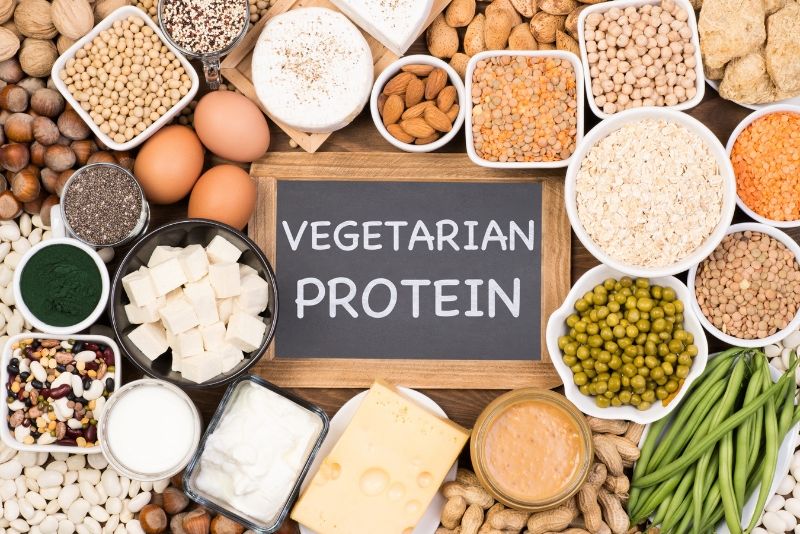
Vegetarian diets are demonstrably healthy. Eliminating meat from the diet can lower the risk of heart disease, cancer, and type 2 diabetes. A vegetarian lifestyle can lower blood pressure, reduce symptoms of asthma, and maintain bone health. In fact, rates of osteoporosis are lower in areas where people consume a primarily plant-based diet that includes dairy products. The theory is that eating meat may drive calcium out of the body.
However, adopting a vegetarian regimen does not come without risk. A primary concern is getting enough protein. Other concerns include vitamin and mineral deficiencies and a lack of omega-3 fatty acids. It’s possible to be a vegetarian who consumes only highly processed and junk foods. Watching what you eat and reading ingredient labels is critical to getting enough essential nutrients while maintaining a vegetarian diet. Here, we’ll discuss the different types of vegetarianism and how to add protein to your vegetarian diet.
What Is a Vegetarian Diet
Vegetarian diets are defined as those that eliminate meat, fish, and poultry and rely primarily on plant foods. However, there are several different “flavors” of vegetarianism. These include:
Ovo vegetarian diets : ovo vegetarians eat eggs, but no dairy products
Lacto vegetarian diets: these vegetarians eat dairy products, but no eggs
Ovo-lacto vegetarian diets: an ovo-lacto vegetarian diet includes both eggs and dairy
You may hear people who follow plant-based diets describe themselves as vegan. A vegan diet includes no animal products whatsoever, including honey from bees or gelatin made from animal sources. Vegans must be keen label readers and will avoid foods and other products if they can’t determine the origin of ingredients. Other descriptive terms for people who emphasize plant foods but may include some animal foods in their diet include:
Partial vegetarian: a diet that includes some animal foods
Pescatarian: a diet that includes fish but excludes other meats
Pollo-vegetarian: a diet that includes poultry but avoids other meats and fish
Flexitarian: a diet that primarily focuses on plant foods but will include dairy, eggs, meat, fish, or poultry from time to time
The Risk of Protein Deficiency
Proteins in the body come from organic compounds called amino acids that combine in long chains to form proteins. That’s why amino acids are often called “the building blocks of life.” Making proteins from amino acids helps the body grow, repair damaged tissue, and break down food. Amino acids also provide energy.
There are three types of amino acids: essential amino acids, non-essential amino acids, and conditional amino acids. The body uses all of these to perform many functions. The body needs essential amino acids but can only get them from food. Non-essential amino acids are those that the body can make itself, without deriving them from foods. Conditional amino acids aren’t usually essential except when disease or stress is present.
There are nine essential amino acids: histidine, isoleucine, leucine, lysine, methionine, phenylalanine, threonine, tryptophan, and valine. Few plant foods contain all of them, but some plant foods do when combined with other items.
How Do You Know if You Have a Protein Deficiency
General recommendations state that you need about .36 grams of protein per pound of body weight. Just multiply your weight by .36 to calculate your general target protein level. Athletes and other very active people may need more protein, but a general rule of thumb is to get at least 10 percent of your daily caloric intake from protein.
If you’re not watching your intake, you may experience symptoms of protein deficiency. These include weakness, stress fractures, brittle hair and nails, and frequent colds or other illnesses. Protein deficiency can also cause swelling, as the body lacks the right substances to maintain the proper fluid balance in the body.
Protein feeds our brains and organs. Without essential amino acids, your body can’t produce neurotransmitters such as dopamine and serotonin, which can impair your mood and even contribute to anxiety and depression. As for bones, when the body doesn’t get enough protein, it borrows from skeletal muscle tissue, leaving the bones with less support. Protein is also necessary for healthy red blood cells, which carry energy to cells in the body. A protein deficiency can impair this process and leave you feeling weak and even short of breath or anemic. It can also cause you to lose muscle mass, as the body borrows from muscles to use protein for essential systems.
Hair and nails are made in part from protein, and when you don’t get enough, your hair can split and your nails can crack. A prolonged protein deficiency can even cause you to lose some hair, as the body conserves protein and stops growing hair. Protein also helps make antibodies that ward off illness.
Protein deficiency is very rare in the U.S., but vegans and vegetarians must consciously calculate their protein intake to stay healthy.
Foods That Contain All Essential Amino Acids
Animal protein from eggs, meat, fish, and poultry contain all nine essential amino acids. When vegetarians limit or exclude these items from their diets, it raises concern that their bodies might not be getting all the essential amino acids needed.
Some plant foods such as soy, quinoa, buckwheat, and chia seeds are sources of complete essential amino acids. Other plant foods provide a complete set of amino acids when combined. Although people used to believe that they had to consume these combinations at the same time, we now know that the body can mix the items up itself, as long as you eat a variety of them over the course of the day. Whole grains combined with beans (as in rice and beans or beans and whole-grain tortillas), nuts or seeds combined with whole grains (think peanut butter on whole-grain bread), or beans combines with nuts and seeds (hummus and sesame seeds) provide the full panel of amino acids.
Variety is the key to getting enough protein as a vegetarian. Cutting out animal products can also affect other nutrients. In addition to protein, vegetarians and vegans should look for food items that provide enough calcium and vitamin D. Dark, leafy greens supply some calcium, and fortified foods may provide vitamin D if you can’t get it naturally from sun exposure.
Vitamin B-12 is found almost exclusively in animal products. Vegans who eat no animal products at all are at risk of deficiency. While the vegan diet is rich in folate (vitamin B9), that’s a double-edged sword because an abundance of folate can mask a deficiency of B12. A supplement may be necessary for strict vegans.
Iron-rich plant foods include lentils, whole grains, and fortified cereals, but the body doesn’t absorb iron easily from plant foods. Vitamin C can help, so it’s a good practice to consume fruits and veggies that contain vitamin C at the same time that you’re eating your iron-rich plant foods.
Vegans and vegetarians should also be conscious of foods containing zinc (soy, nuts, and legumes), iodine (iodized salt), and omega-3 fatty acids (walnuts, flaxseed, and soybeans).
If you’re losing weight, but your body still feels flabby, and your clothes are tight, you may have a protein deficiency. Other factors, such as hormonal problems, can impede weight loss. See an endocrinologist to ensure your thyroid is working properly, and your body is using insulin efficiently. Dr. Philp Rabito is a top endocrinologist in New York City who specializes in weight loss solutions and the diagnosis and treatment of diabetes and thyroid disease.
The post How To Add Protein To Your Vegetarian Diet appeared first on Philip Rabito, MD.
Frequently Asked Questions
A vegetarian diet can lower the risk of heart disease, cancer, and type 2 diabetes. It also helps reduce blood pressure, alleviate asthma symptoms, and maintain bone health. Areas with primarily plant-based diets that include dairy show lower rates of osteoporosis, possibly because meat consumption may drive calcium out of the body.
Vegetarian diets vary and include ovo vegetarians who eat eggs but no dairy, lacto vegetarians who consume dairy but no eggs, and ovo-lacto vegetarians who eat both eggs and dairy. Other related diets include vegans who avoid all animal products, pescatarians who eat fish but no other meats, pollo-vegetarians who include poultry, and flexitarians who primarily eat plant foods but occasionally consume animal products.
Protein is essential for growth, tissue repair, and energy, and it is made from amino acids, some of which are essential and must come from food. Since many plant foods lack all nine essential amino acids, vegetarians must carefully plan their diets to ensure they get enough complete proteins to avoid deficiency and related health issues.
Vegetarians can consume plant foods that contain complete proteins like soy, quinoa, buckwheat, and chia seeds. Additionally, combining different plant foods such as beans with whole grains or nuts over the course of the day provides all essential amino acids, as the body can assemble them from varied sources.
Symptoms include weakness, brittle hair and nails, frequent illnesses, swelling, mood impairments like anxiety or depression, muscle loss, anemia, and poor bone support. These occur because protein is vital for neurotransmitters, red blood cells, antibodies, and maintaining fluid balance.
Vegetarians should ensure adequate intake of calcium, vitamin D, vitamin B-12, iron, zinc, iodine, and omega-3 fatty acids. These nutrients are often less available or less absorbable from plant sources, so fortified foods or supplements may be necessary, especially for vegans.
Vitamin B-12 is found almost exclusively in animal products, so strict vegans who avoid all animal-derived foods are at risk of deficiency. Since high folate intake can mask B-12 deficiency symptoms, supplementation is often necessary to maintain adequate levels.
Iron from plant sources is less easily absorbed by the body. Consuming vitamin C-rich fruits and vegetables alongside iron-rich plant foods like lentils and whole grains enhances iron absorption, helping prevent iron deficiency anemia.
General guidelines suggest consuming about 0.36 grams of protein per pound of body weight daily. This equates to at least 10% of daily caloric intake from protein. Athletes or highly active individuals may require more to support their energy and recovery needs.
Yes, it is possible to follow a vegetarian diet that consists mainly of highly processed and junk foods. However, this can lead to nutrient deficiencies and health risks. Careful selection of whole, nutrient-dense foods and reading ingredient labels is important to maintain a healthy vegetarian diet.
If you experience symptoms like flabbiness or tight clothes despite weight loss, it may indicate protein deficiency or other issues such as hormonal imbalances. Consulting an endocrinologist can help diagnose and treat conditions like thyroid dysfunction or insulin resistance that affect weight and protein utilization.


